Welcome To Senator Paul Faraci's Legislative Website
Faraci celebrates opening of permanent supportive housing community in Champaign-Urbana
- Details
- Category: Press Releases
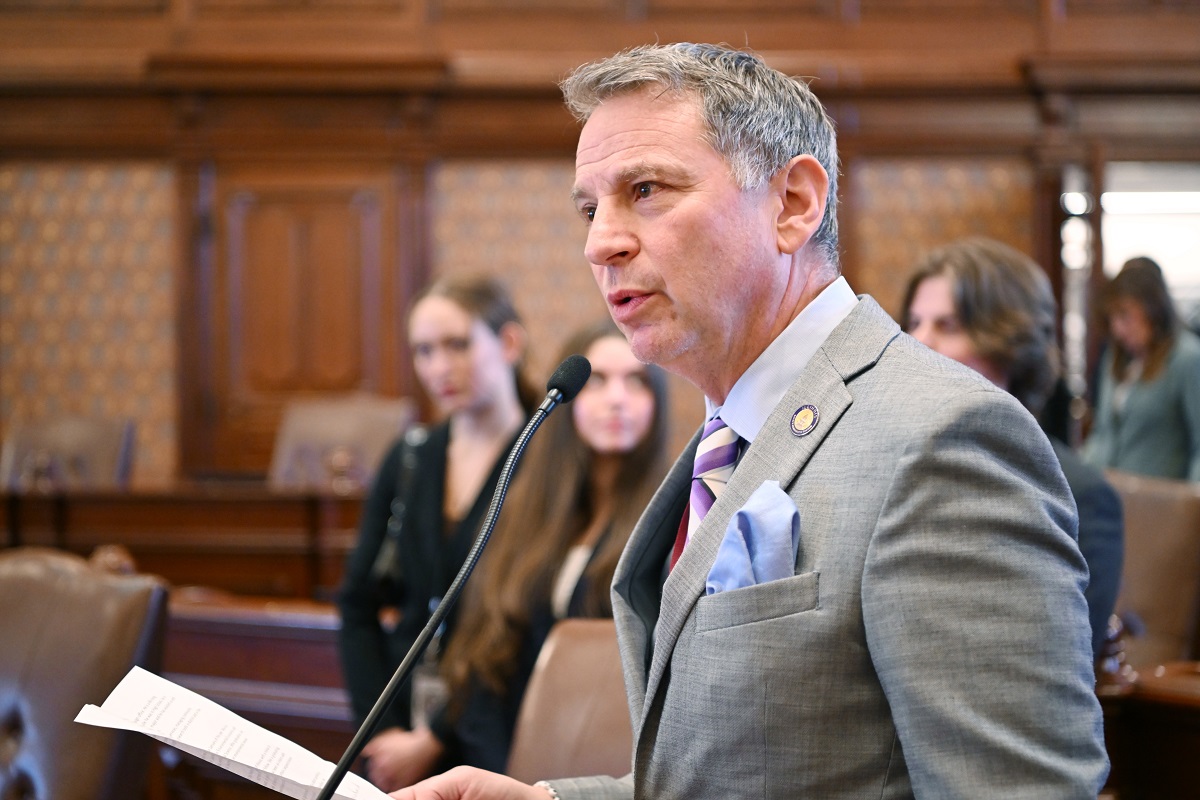 CHAMPAIGN – State Senator Paul Faraci joined community partners last week to celebrate the opening of Hope Village, a $9.6 million development providing 24 permanent supportive homes for Champaign County residents who are chronically unhoused and experiencing significant medical challenges.
“Hope Village is an example of what can happen when people recognize a need in their community and come together to find a solution,” said Faraci (D-Champaign). “Everyone deserves a safe, stable place to call home, and for those facing housing instability while managing serious medical challenges, that stability can make all the difference. I’m proud to see this vision come through in Champaign-Urbana.”
Faraci announces over $125,000 in tourism funding for Champaign County
- Details
- Category: Press Releases
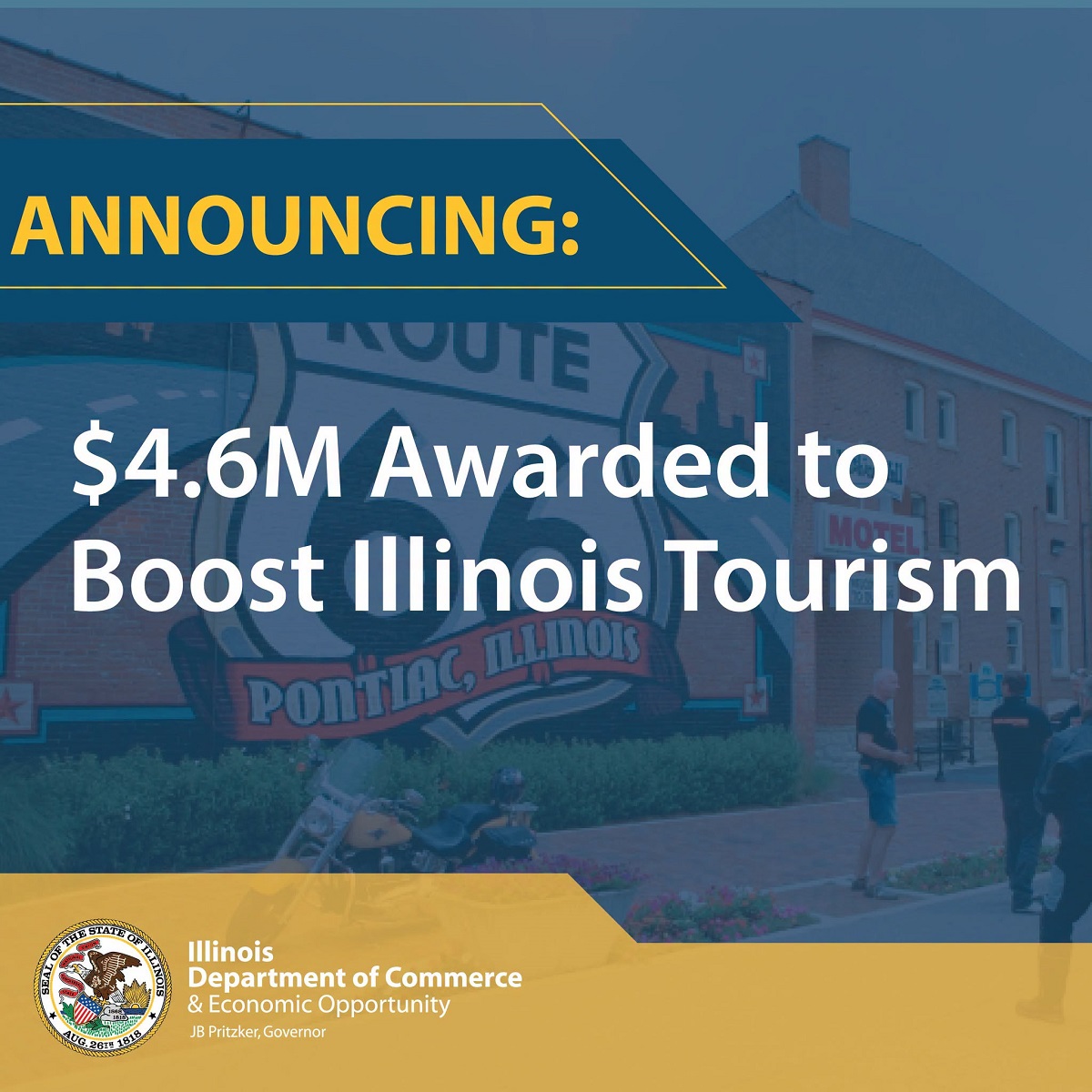 CHAMPAIGN – State Senator Paul Faraci announced over $125,000 is coming to a local tourism partner in the 52nd District thanks to the Illinois Department of Commerce and Economic Opportunity’s latest rounds of tourism funding to boost marketing partnerships and international travel.
“The 52nd District is home to amazing attractions that residents, visitors and international travelers can all enjoy, including the historic Virginia Theater downtown and the Krannert Art Museum on the University of Illinois Urbana-Champaign campus,” said Faraci (D-Champaign). “I’m glad to see these investments coming to Champaign County to ensure our community can continue to draw in crowds that support the businesses, attractions and events that make the 52nd District so special.”
Two programs administered by DCEO are supporting tourism investments in the district Faraci represents. Through the Tourism Marketing Partnership Grant Program, the Champaign County Convention & Visitors Bureau is set to receive $100,000 to promote the Champaign-Urbana area. Additionally, through the International Tourism Grant Program, the Champaign County CVB is also set to receive almost $26,000 to support advertising and promotions focused on the LGBTQ+ market, experiential travel, the agritourism sector, and press and influencer trips with Mexico.
Faraci secures over $400,000 for workforce training in East Central Illinois
- Details
- Category: Press Releases
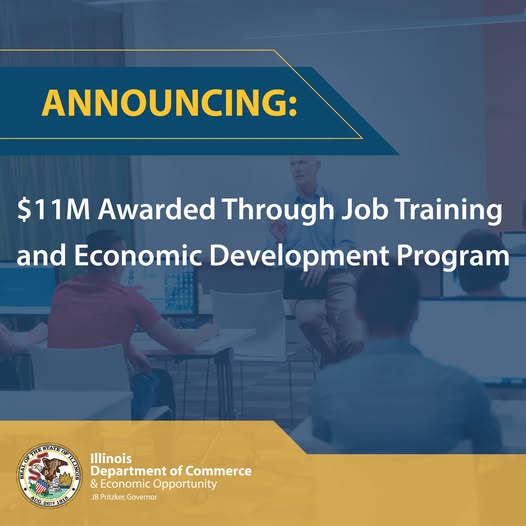 CHAMPAIGN – To expand job training, career pathways and support services for East Central Illinoisans looking to enter in-demand careers, State Senator Paul Faraci secured over $400,000 for the University of Illinois through the Illinois Department of Commerce and Economic Opportunity’s Job Training and Economic Development program.
“Our region has been seeing steady growth in a range of career paths, like health care, education, advanced manufacturing and agricultural technology,” said Faraci (D-Champaign). “I’m proud to see funding coming to the 52nd District through this round of JTED, ensuring local residents have access to high-quality job training that will directly connect workers to careers in these sought-after fields.”
Through the third round of JTED funding, $11.4 million was awarded to 23 organizations across Illinois with the goal of addressing the economic impacts experienced by employers and individuals who are underemployed, unemployed or underrepresented – including youth who have one or more barriers to employment. Through JTED, the funding will help connect workers with the skills and resources they need to enter in-demand careers in the state while helping employers build the skilled workforce they need to grow.
Faraci announces additional funding to prevent food insecurity in the 52nd District
- Details
- Category: Uncategorised
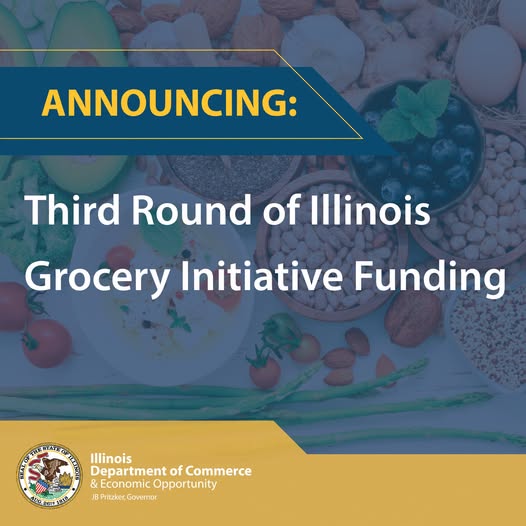 CHAMPAIGN – State Senator Paul Faraci announced new funding is available under the Illinois Grocery Initiative through the New Stores in Food Deserts, Equipment Upgrades and Grocery Rescue grant programs – representing a $26 million effort to address food deserts and prevent grocery store closures in communities across the state.
“While some may think East Central Illinois’ ties to our state’s agricultural production would help eliminate chances for food deserts for our residents, this simply isn’t the case; we have a vast number of rural communities in the 52nd District filled with residents who have to travel miles to reach fresh produce,” said Faraci (D-Champaign). “Illinoisans deserve reliable access to the groceries of their choice, and these programs will help make that a reality for everyone who calls our communities home.”
The new Grocery Rescue Program will support efforts to reopen stores that have closed within the preceding 12 months. This program is designed to prevent long-term food access loss in low-access tracts, preventing the formation of new food deserts. Funding can be used for store acquisition, repair, refurbishing property and equipment, and some first-year operating costs.
More Articles …
Page 1 of 45
Welcome
Thank you for visiting my website.
I am proud to serve as the State Senator from Illinois’ 52nd District, representing Champaign and Vermilion counties. I hope you’ll find this site a useful resource in keeping up to date with what’s happening in our district and in Springfield. Please contact any of my offices with questions or ways I can better serve you. It is my honor to represent you in Springfield.
Sincerely,

Senator Paul Faraci
Follow Sen. Faraci


Office Info
Champaign Office:
45 E. University Suite 206
Champaign, IL 61820
P: (217) 355-5252
Text: (217) 355-5252
Danville Office:
201 N. Vermilion St. Suite 323
Danville, IL 61832
P: (217) 442-5252
Springfield Office:
521 Capitol Building
Springfield, IL 62706
P: (217) 782-2507